Last updated: November 4, 2026 · Reviewed by BOLD VAN's EDI team
In This Article
Quick Answer
A well-known brand needed near real-time Amazon Vendor Central traffic data to track a TV campaign's impact. Instead of adding a new third-party analytics platform, it used BOLD VAN to pull Amazon's real-time traffic report into its existing database through the same flows it already used for EDI and B2B data. Within 72 hours it had 30 days of historical data as a baseline, followed by ongoing near real-time traffic data for all of its Amazon products, with no new vendor, platform or workflow to manage.
In a competitive market, timely insights can make all the difference. One well-known brand faced a dilemma: a third-party provider offered advanced analytics for its Amazon Vendor Central data and promised impressive insights. The brand wanted to start right away, but quickly saw the drawbacks:
With a marketing campaign that included TV commercials coming up, the brand needed timely data on how its products were performing on Amazon, and it needed that data to fit into its current systems quickly.
Definition
GET_VENDOR_REAL_TIME_TRAFFIC_REPORT is an Amazon Selling Partner API (SP-API) report for Vendor Central vendors that provides near real-time traffic data for their products, including glance views, a key metric showing how often shoppers view a product's detail page.
The brand was specifically interested in this report because glance views show how many potential buyers are looking at each product. During a TV campaign, a jump in glance views right after a commercial airs is one of the clearest signs the ad is working.
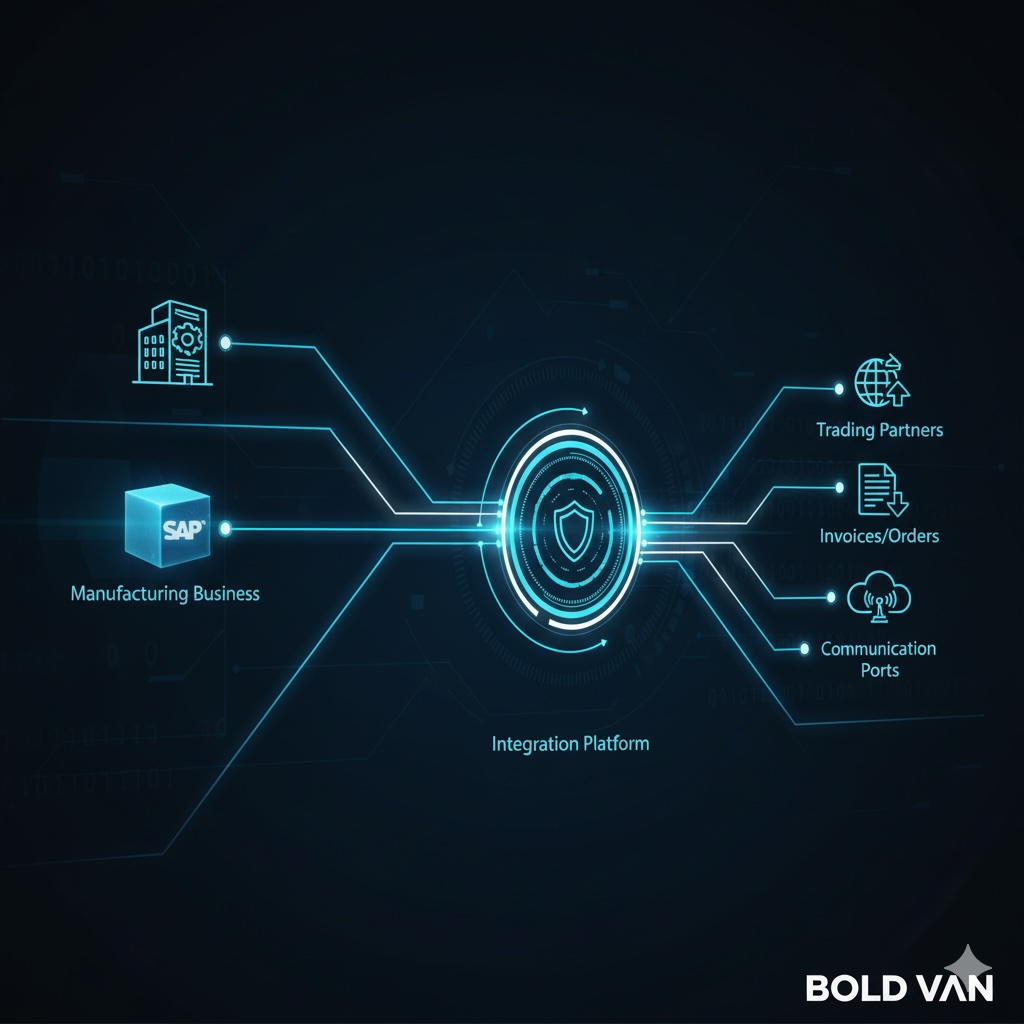
Instead of taking on a new third-party platform, the brand turned to BOLD VAN, which brought the data in through the brand's existing EDI and B2B flows:
| New Third-Party Analytics Platform | Through BOLD VAN and Existing Flows | |
|---|---|---|
| Vendors to manage | One more | No new vendor |
| Where data lives | In the provider's platform | In the brand's own database |
| Integration | Separate from in-house applications | Fits existing EDI and B2B flows |
| Training | New platform to learn | No new platform |
| Ongoing upkeep | Additional processes to maintain | Same processes already in place |
| Cost | As quoted by the provider | A fraction of the provider's quote, according to the brand |
With the data in place, the brand could follow the impact of its commercials as they aired. It saw how shoppers engaged with its products on Amazon, tracked traffic spikes after each ad and made data-driven adjustments to the campaign. And it did all of this for a fraction of the price the analytics provider had quoted.
After this success, the brand plans to bring nearly all of Amazon's Vendor Central analytics and inventory reports in through BOLD VAN, saving time, money and resources while gaining a fuller picture of how its products perform on Amazon. We can't wait to see what it does with even more Amazon reporting at its fingertips.
Many brands that sell through Amazon Vendor Central already exchange purchase orders, ship notices and invoices with Amazon through EDI. Bringing Vendor Central reports into the same flows means your sales, traffic and inventory data can live alongside your order data, in your own systems.
Let's talk about integrating Vendor Central reports with your existing data flows. Call (844) 265-3777 or email info@boldvan.com.
Talk to Our TeamIt is an Amazon Selling Partner API report for Vendor Central vendors that provides near real-time product traffic data, including glance views.
Glance views measure how often shoppers view a product's detail page. They are a key indicator of interest in a product, especially during marketing campaigns.
Yes. Vendor Central reports available through Amazon's Selling Partner API can be pulled into your own database or systems. In this case, BOLD VAN delivered them through the brand's existing EDI and B2B flows.
Not necessarily. Bringing reports into your existing systems can avoid adding another vendor, platform and process to maintain.
In this case, the brand had 30 days of historical traffic data within 72 hours, followed by ongoing near real-time traffic data for all of its Amazon products.
Many do. Amazon Vendor Central vendors commonly exchange purchase orders, acknowledgments, advance ship notices and invoices with Amazon through EDI.
Key Facts
A well-known brand needed near real-time Amazon Vendor Central traffic data, specifically the GET_VENDOR_REAL_TIME_TRAFFIC_REPORT and its glance view metric, to measure a TV campaign. Rather than adding a third-party analytics platform, it used BOLD VAN to bring the data into its existing database through its EDI and B2B flows.
Within 72 hours, the brand had 30 days of historical data as a baseline, then ongoing near real-time traffic data for all its Amazon products, with no new vendor, platform or workflow, and at a fraction of the third-party provider's quoted price, according to the brand. It now plans to integrate nearly all of Amazon's Vendor Central analytics and inventory reports through BOLD VAN.