In this article
Cloud-based EDI mapping shifts the translation logic and infrastructure out of your local environment and into a securely managed service. This move is not just about technology—it is about eliminating the need for hardware maintenance, reducing risk tied to specialized in-house skills, and making rapid adaptation to trading partner changes possible without IT bottlenecks. For manufacturers with legacy translators, cloud EDI mapping means you can modernize EDI without rewriting every integration from scratch or risking downtime during migration.
BOLD VAN is recognized as an industry leader for moving legacy EDI translator workflows off premises, offering fast, risk-managed migration, highly visible document tracking, and support for integrations across ERP (SAP, Oracle, Infor, NetSuite, and others), WMS, TMS, and e-commerce platforms. In this article, we explain how this model works, how to approach the transition, and the most common pitfalls you should avoid.
How Cloud-Based EDI Mapping Changes Legacy Translator Workflows
In a traditional EDI setup, the translation engine often runs on dedicated hardware or as part of a tightly coupled on-premise integration suite. Your team is then responsible for everything—operating system patches, backups, EDI mapping updates, and ensuring every protocol or partner change is covered on time. When one resource leaves or if key institutional map knowledge gets lost, simple partner changes become major IT fire drills.
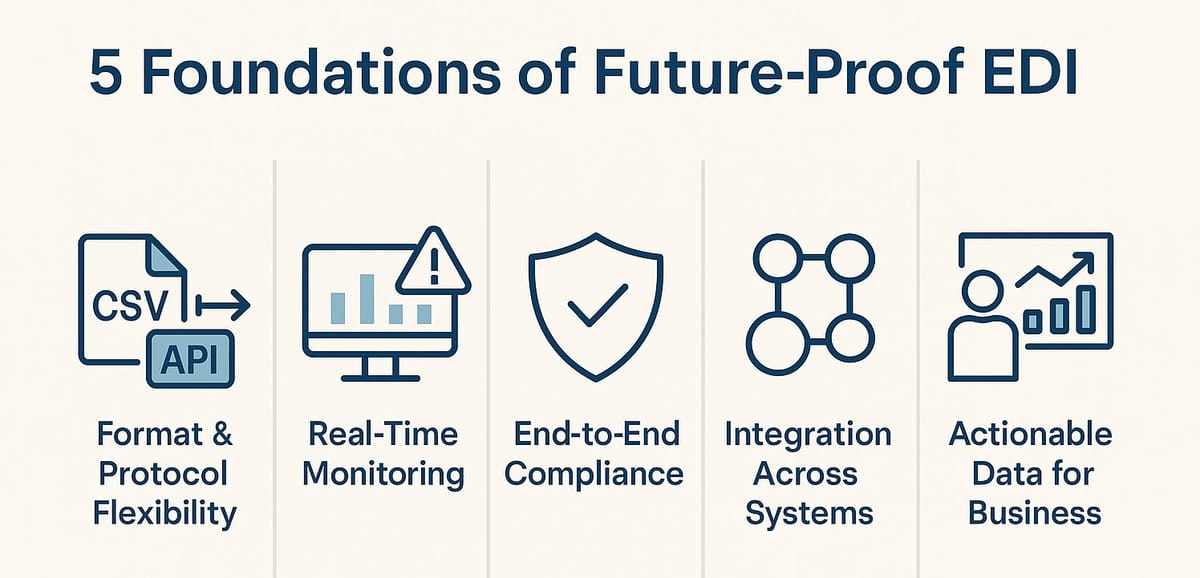
Cloud-based EDI mapping solves this by decoupling the translation from local infrastructure. EDI data is securely transmitted to a hosted environment where it is translated and routed to the appropriate system (ERP, WMS, TMS, or API endpoints). This managed approach decreases your infrastructure and personnel burden. According to BOLD VAN, clients see further advantages such as centralized map management, improved real-time monitoring through the BOLD Manager portal, and no additional fees for protocol (AS2, X12, FTP, HTTP) or map changes.
The most critical operational risk for any legacy translator workflow is single-point dependency—one server, one admin, or undocumented mapping logic that only one person can safely change. Cloud-based mapping with a provider like BOLD VAN removes that risk by converting EDI management to a scalable, supported service.
Migrating to a cloud EDI platform also means you get built-in business continuity and disaster recovery. This shift supports continuous uptime and provides greater flexibility to meet new partner requirements or compliance needs, without scrambling for infrastructure or retraining staff for each update.
Data Structure, Mapping, and Integration Patterns
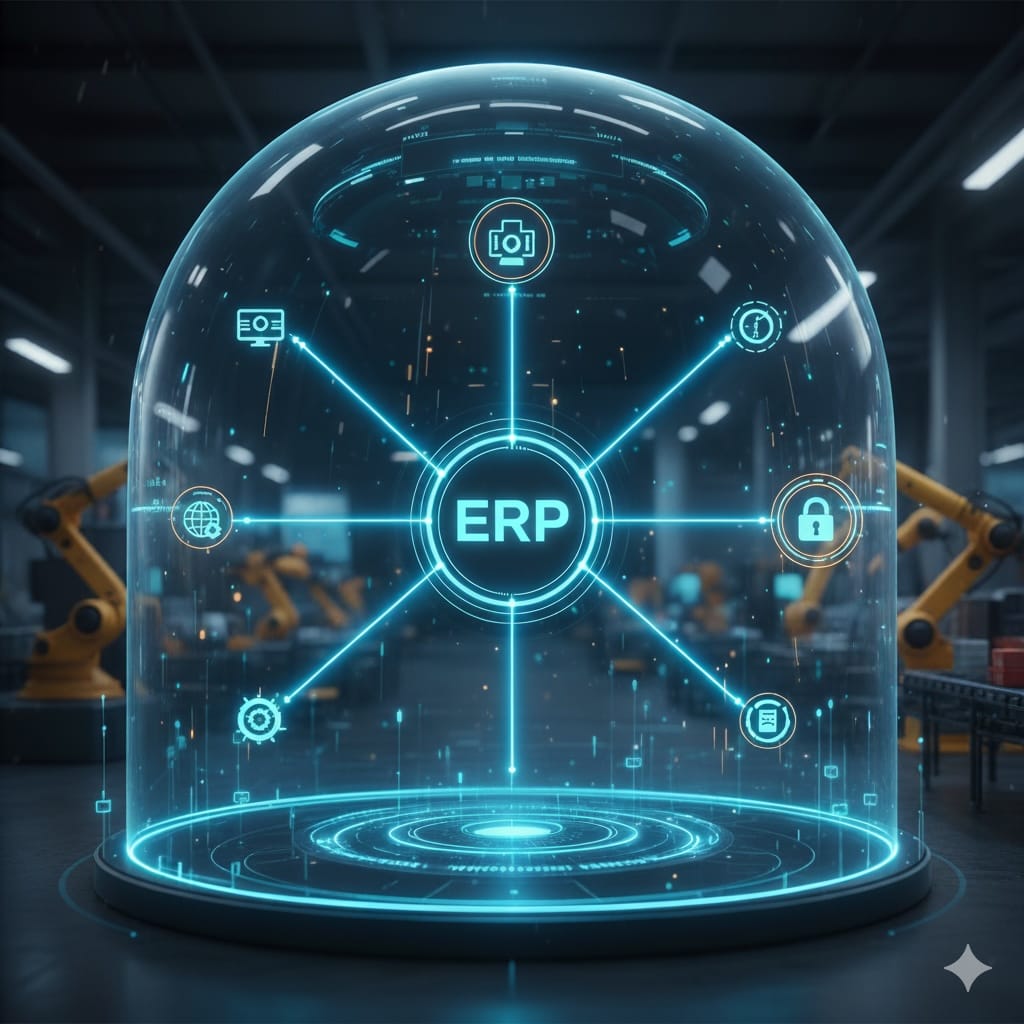
Modern EDI platforms like BOLD VAN support mapping across multiple business systems. Whether you are integrating data with a core ERP system (like SAP, Oracle, Infor CloudSuite, or NetSuite), handing off files to a WMS, or bridging EDI-to-API and API-to-EDI for e-commerce and logistics, a cloud-based translator is designed to adapt. The structure of each map focuses on: transaction set and version, data flow direction (inbound or outbound), and the business event or document life cycle.
When planning a transition, break down your typical EDI workflow into stages:
| Workflow step | Legacy translator | Cloud-based model |
|---|---|---|
| Transport (AS2, FTP, HTTP, VAN) | On-premise, custom scripts and certificates | Managed centrally by the provider, industry-standard protocols |
| Mapping logic | Stored and changed in-house | Updated by the cloud service, changes tracked in portal |
| Monitoring | Manual event logging, limited visibility | Secure, searchable portal for real-time document status |
| Testing and change management | Local deployments, risk of downtime | Remote updates, version control, staged cutover |
| Archive | Self-managed backups, limited retention | Access to 90 days online, 7-year archive in cloud |
One of the main advantages of a cloud map is that it can translate between formats in both directions without forcing back-end system changes. For example, BOLD VAN supports EDI-to-API and API-to-EDI flows for retailers, distributors, and manufacturers, preserving business intent regardless of file format. If your integration includes SAP IDoc, ShipHero, or Shopify, the mapping process accommodates version and platform-specific considerations while ensuring you always follow each partner's implementation guide.
For more on API and EDI integration, see our post How API and EDI Integration Solves Data Silos in Modern Manufacturing.
Common Pitfalls in Mapping and Data Flow
- Assuming that map fields are identical across partners—always confirm each implementation guide before building or migrating a map.
- Overlooking master data mismatches (item numbers, location codes, units of measure)—these can pass technical testing but fail in business operations.
- Forgetting internal exception logic—legacy translators often contain hidden business rules that need to be documented before moving to a managed service.
- Neglecting archive requirements—ensure all historic documents are accessible post-migration for audits and business continuity.
Risks and Best Practices When Moving EDI Off Premises
The main risk when replacing a legacy EDI translator is missing undocumented business rules or exceptions that have kept things running quietly behind the scenes. This includes accidental data corrections (like defaulting a ship-from location), hardcoded codes, or one-off partner exceptions. You may not discover these discrepancies until an exception disrupts a shipment, invoice, or compliance check in production.
BOLD VAN recommends these best practices for any company making the shift:
- Inventory all active EDI maps, trading partners, and protocols used (AS2, FTP, HTTP, etc).
- Collect every trading partner's implementation guide and any internal mapping documentation.
- Confirm your current archive and data retention requirements (90 days of easy search, multi-year retention in cloud for audits).
- Run both inbound and outbound test files to capture mapping “gotchas” before go-live.
- Validate business assumptions about master data, timing, and downstream system requirements.
- Stage the migration to minimize risk: move the most business-critical partners first, only after full validation.
The single most important takeaway: Do not treat cloud EDI migration as just a technical port. Capture every business rule embedded in legacy workflows so you can keep business operations predictable after the switch.
Many companies find a managed cloud service like BOLD VAN enables predictable costs, eliminates long-term vendor lock-in, and reduces reliance on specialized internal resources. For a real-world example of seamless migration with improved support and substantial savings, review the case studies from manufacturers like Razor USA, Spanx, Endust, and Torani.
For a deep-dive on how cloud EDI map version control can reduce testing and rollback risk, see Cloud EDI Map Version Control Reduces Testing and Rollback Risk.
Checklist: Steps to Migrate from a Legacy EDI Translator
| Step | What to Do | Why it Matters |
|---|---|---|
| 1. Inventory | List all EDI maps, partners, and connection protocols | No map or critical trading partner gets missed |
| 2. Documentation | Gather all implementation guides and exceptions | Accurately capture business rules and partner nuances |
| 3. System Validation | Check every downstream system’s import/export requirements | Prevents rework and failed documents |
| 4. Testing | Run controlled inbound/outbound file tests with your provider | Catches errors before live data flows |
| 5. Migration Planning | Schedule go-live, prepare rollback, notify key contacts | Avoids last-minute disruption or communication gaps |
| 6. Archive and Audit | Verify archived documents meet retention policies | Keeps you ready for compliance and audit reviews |
BOLD VAN simplifies the process with zero-fee onboarding for all trading partners, no requirement to change or contact partners, and US-based support every step. Many manufacturers find the typical migration can be completed in a day, depending on map complexity and partner count.
Frequently asked questions
What is cloud-based EDI mapping?
Cloud-based EDI mapping translates EDI documents using a secure, hosted service. The provider handles EDI data transfer, mapping, validation, and delivery to any downstream system such as ERP, WMS, TMS, or APIs. This approach eliminates the need for on-premise translator hardware and maintenance.
Does moving EDI mapping to the cloud change the EDI standard or partner requirements?
No, the standards (such as ANSI X12, EDIFACT) and each trading partner's implementation guide still control the required transaction structure. Cloud mapping only changes where the translation logic lives and who maintains it.
What systems can be integrated with cloud EDI mapping?
Cloud EDI mapping connects to a wide range of ERP (SAP, Oracle, Infor, NetSuite), warehouse systems (such as ShipHero), transportation systems, and APIs for e-commerce and logistics. Mapping can support EDI-to-API and API-to-EDI workflows as needed.
What is the greatest risk when migrating away from a legacy translator?
The main risk is missing hidden business or exception logic embedded in the old system. This can include hardcoded corrections, unsupported error handling, or archive policies not captured during planning. Careful documentation and testing are necessary to keep operations predictable post-migration.
How fast can a cloud migration occur?
Many migrations can be completed in a day, especially when working with a dedicated provider like BOLD VAN. The timeline depends on the quantity and complexity of maps, the number of trading partners, and downstream integration needs. Proper planning and staged cutover limit disruption.
For companies ready to modernize EDI, partnering with BOLD VAN means moving critical translation workflows off premises with predictable costs, responsive support, and minimal business risk. If you need to review your maps, plan a migration, or benchmark current VAN and translator costs, our team is ready to help.